
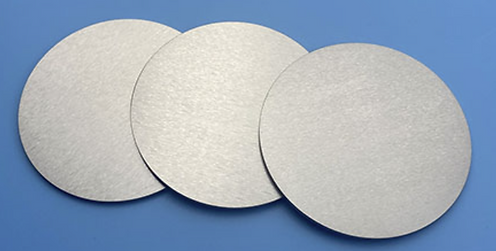
Materials that can withstand extreme heat applications require properties that remain stable or strong when normal metals weaken or lose stability. Both tungsten and molybdenum have been widely used due to their resistance to high temperatures, which is better than that of some of the more common engineering metals. Still, it is important to note that they are not suited for all industrial situations. The selection is related to the needs in manufacturing and operating conditions and long-term performance requirements. Part of the reason engineers only order Shop Heat resistant metals when they have made a technical comparison is that they are not just ordering heat resistant metals because they are familiar with the material, nor because it is the standard that they use.
Compare Temperature Limits
The first comparison of the two materials is usually that of their temperature capability. The tungsten will have a higher melting point and be suitable for use in very high-temperature applications. Molybdenum is also very effective at high temperatures, but less effective than tungsten. But this distinction is not always a clear advantage for all projects in the case of tungsten. Operating temperature is always a factor when selecting materials since it may be unnecessary to make certain specifications, which can add to the cost of production.
Review Mechanical Properties
Both materials exhibit different behavior during fabrication and operation due to their strength, hardness and dimensional stability. Generally, tungsten has a higher density and strength at extreme temperatures. But the machinability and fabrication of molybdenum are typically easier for many industrial applications. The advantages of processing can take on significance when making complex parts. When deciding to purchase metal fabrication materials, companies often run a comparison of the machining needs of the materials before making their decision.
Examine Weight Differences
The weight of the material can also have a significant influence on the equipment’s performance in some cases, rather than heat resistance. Tungsten is much denser than molybdenum, and the finished forms are much heavier if they are made with the same size. In some precision engineering or aerospace applications, such as where weight reduction is required without compromising the required thermal property, molybdenum can be used. When designers consider structural loading in addition to the ambient temperature in which these two engineering metals will be used, they can determine which material will be required to support the design.
Consider Fabrication Needs
However, manufacturing processes should be considered before selecting either of these materials. Requirements for each cutting, machining, welding and forming process are different due to the different behaviors of tungsten and molybdenum during the manufacturing process. Where flexibility is desired for some fabrication operations, molybdenum is used more often than tungsten, but due to its hardness and density, tungsten may be more difficult to use in certain instances and may require extra planning. When selecting Shop Heat resistant metals, it’s crucial to consider processing costs as well as material performance, as processing efficiency directly impacts overall project value.
Evaluate Corrosion Resistance
Too much heat is not the only problem for industrial parts. Other chemical exposures, vacuum systems and controlled atmospheres can also affect the long-term material performance. Xeno tungsten is not corroded under many harsh conditions, and molybdenum also has a certain resistance to corrosion under many harsh conditions. Choosing materials without considering the actual operating environment can lead to maintenance issues in the future. By carefully evaluating, engineers can ensure that the product is durable and has an appropriate design for manufacturing before it is actually manufactured.
Match Industrial Applications
Depending on the design and operating goals of the equipment, one type of material is used in preference to the other in different industries. Tungsten is used in high-temperature furnace parts, radiation shielding and electric applications. Semiconductors, aerospace systems and equipment for glass production are commonly chosen applications for molybdenum. When a company is about to undertake the task of buy Metal fabrication materials, they should check actual applications and not take the word of the technical charts for temperature resistance.
Balance Cost Factors
The sole determination of the materials used should never be the price. The tungsten generally costs more due to its properties and the difficulties. For applications where the maximum temperature is not required, molybdenum may provide a better balance. Total project cost (fabrication and maintenance) may be a better comparison than just the initial cost of purchase. Typically, practical decisions are compromises between performance and manufacturing efficiency.
Conclusion
The selection of tungsten or molybdenum will be based on the application in the industry and not on a single performance parameter, but considering the operating temperature, fabrication requirements, mechanical properties, weight, etc. Regmetals.com offers engineering materials that enable organizations to shop heat-resistant metals and get reliable materials for all specialized manufacturing projects. Technical specification comparisons can assist in the efficient production, practical material selection, and reliable long-term performance of the purchase. Before deciding on an application, it’s best to take time to understand the application’s needs.









If you’re looking to start with a high-intent option, consider what makes the game vault 777 play online experience appealing before you deposit: check game rules, confirm payout expectations, and review how quickly withdrawals are processed. A quick look at bonus terms, wagering requirements, and supported payment methods helps avoid