The Manaslu Expedition is one of the most prestigious and challenging high-altitude mountaineering adventures in Nepal. Standing at 8,163 meters (26,781 feet), Mount Manaslu is the eighth highest mountain in the world and offers climbers a true Himalayan expedition experience without the extreme crowd levels found on Everest. Known as the “Mountain of the Spirit,” Manaslu provides a perfect blend of technical climbing, remote wilderness, and cultural richness.
For experienced mountaineers seeking an 8,000-meter peak with demanding terrain, high success rates, and extraordinary scenery, the Manaslu Expedition is considered one of the finest choices in the Himalayas.
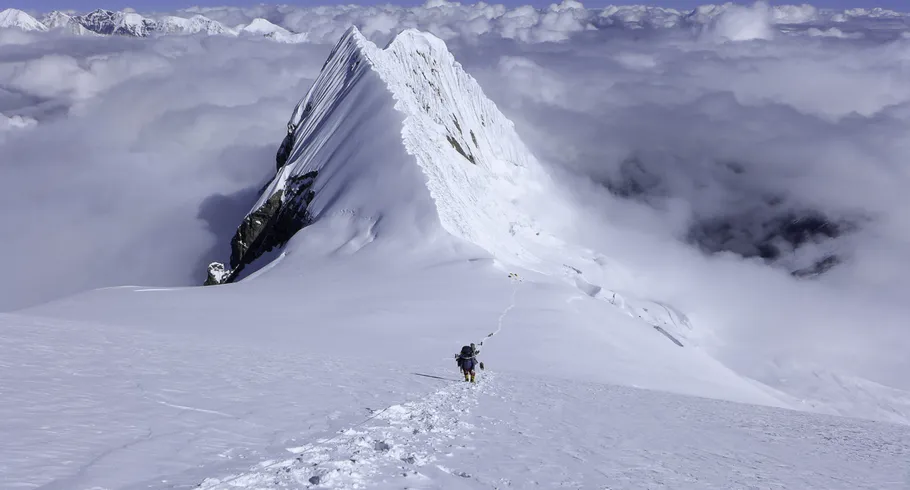
Overview of the Manaslu Expedition
Mount Manaslu is located in west-central Nepal within the Manaslu Conservation Area, near the Tibetan border. First summited in 1956 by a Japanese team, the mountain has since become a popular objective for climbers aiming to progress from 7,000-meter peaks to higher-altitude expeditions.
The expedition typically follows the northeast face route, which is regarded as the standard and safest climbing line. The journey begins with a scenic drive from Kathmandu to the trekking trailhead, followed by a multi-day trek through remote villages before reaching Manaslu Base Camp at approximately 4,800 meters.
From base camp, climbers establish a series of high camps before attempting the summit during a carefully planned weather window.
Why Choose the Manaslu Expedition?
1. Ideal 8,000-Meter Peak for Progression
Manaslu is often considered an excellent first 8,000-meter mountain. While it presents serious high-altitude challenges, it is less technically demanding than some other peaks of similar height. This makes it suitable for climbers with prior experience above 6,500 meters who are ready to take the next step.
2. Less Crowded Than Everest
Compared to Mount Everest, the Manaslu Expedition offers a more peaceful and authentic climbing environment. Fewer teams, quieter camps, and reduced traffic on summit day create a safer and more enjoyable expedition atmosphere.
3. Stunning Natural and Cultural Environment
The approach trek passes through lush forests, alpine valleys, glaciers, and traditional Tibetan-influenced villages. Climbers experience a strong cultural connection to local communities, monasteries, and prayer flags that line the trail.
4. High Success Rate
Thanks to favorable terrain, fixed rope support, and well-established routes, Manaslu has one of the highest summit success rates among 8,000-meter peaks, making it a realistic goal for prepared climbers.
Expedition Route and Camps
The Manaslu Expedition is structured with multiple camps to allow proper acclimatization:
-
Base Camp (4,800m): Main logistics hub and acclimatization point
-
Camp I (5,700m): Located above the glacier, reached via fixed ropes
-
Camp II (6,400m): Positioned on a plateau with expansive views
-
Camp III (6,800m): Steep and exposed, requiring strong climbing skills
-
Camp IV (7,400m): Final staging camp for summit push
Summit day involves a long and physically demanding ascent through snow slopes and ridges before reaching the top of Mount Manaslu. Climbers must return safely to Camp IV or Camp III the same day.
Physical Fitness and Technical Requirements
The Manaslu Expedition requires excellent physical conditioning, strong endurance, and solid technical mountaineering skills. Climbers should have experience with:
-
Using crampons and ice axes
-
Fixed rope ascents and descents
-
Glacier travel and crevasse navigation
-
High-altitude exposure above 6,500 meters
Mental resilience is equally important, as long days, extreme cold, and oxygen-deprived conditions test both body and mind.
Acclimatization and Oxygen Use
Proper acclimatization is critical for success on Manaslu. Climbers follow a rotation schedule between camps to adapt to altitude gradually.
Most expeditions offer supplemental oxygen for summit attempts, although experienced climbers may choose to climb without it. Oxygen increases safety, stamina, and summit success rates, especially during the final ascent.
Best Season for the Manaslu Expedition
The prime climbing season for Manaslu is autumn (September to October). During this period, weather conditions are more stable, snowfall is manageable, and summit windows are more predictable.
Spring ascents are possible but less common due to higher avalanche risk and unstable snow conditions.
Accommodation, Food, and Support
During the trek, climbers stay in teahouses or expedition tents. At base camp, high-quality expedition tents, heated dining areas, and professional kitchen staff ensure comfort and nutrition.
Meals are carefully planned to provide high-calorie, nutritious food essential for high-altitude performance.
Support staff typically include:
-
Certified climbing guides
-
Sherpa support climbers
-
Cooks and kitchen crew
-
Base camp managers and medical staff
Permits and Logistics
The Manaslu Expedition requires several permits, including:
-
Manaslu Climbing Permit
-
Manaslu Conservation Area Permit (MCAP)
-
Restricted Area Permit
All logistics, including porters, equipment transport, and base camp setup, are arranged in advance to ensure a smooth expedition.
Cost of the Manaslu Expedition
The cost of a full-service Manaslu Expedition generally ranges from USD 12,000 to 18,000 per climber, depending on services and support level. This typically includes:
-
Expedition permits and fees
-
Base camp accommodation and meals
-
Sherpa climbing support
-
Fixed ropes and safety equipment
-
Oxygen (if selected)
-
Domestic transportation and logistics
Who Should Attempt the Manaslu Expedition?
The Manaslu Expedition is ideal for:
-
Experienced high-altitude climbers
-
Mountaineers preparing for Everest or other 8,000-meter peaks
-
Climbers seeking a quieter alternative to Everest
-
Adventure enthusiasts looking for a serious Himalayan challenge
Safety and Responsible Climbing
Responsible expeditions emphasize:
-
Environmental conservation
-
Waste management and cleanup
-
Respect for local culture
-
Strict safety and weather protocols
Professional operators prioritize climber safety over summit success.
Conclusion
The Manaslu Expedition represents a perfect balance between extreme altitude challenge and achievable success. As the eighth highest mountain in the world, Manaslu offers climbers a demanding yet rewarding Himalayan expedition, complete with dramatic landscapes, rich cultural experiences, and a less crowded climbing environment.
For mountaineers seeking to test their limits on an 8,000-meter peak while experiencing the true spirit of Himalayan climbing, the Manaslu Expedition stands as a powerful and unforgettable achievement.