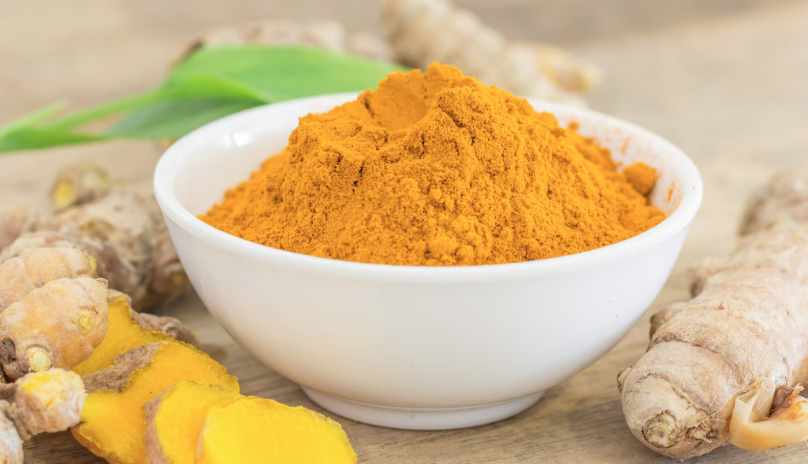
Selecting the right turmeric extract manufacturer is not a cheap and effortless task. A dependable supplier will make sure of raw materials that are cleanly handled, processed and quality-checked before each batch is shipped out. These are steps taken to ensure consistency of ingredients in various foods. Many food companies also review production standards certifications and testing practices before selecting a manufacturing partner for long term business requirements. Careful evaluation at the beginning often saves both time and resources during regular production.
Raw Material Matters
Good quality turmeric starts with careful farming and proper harvesting methods. Processing will yield better extraction with fresh roots with strong natural pigment. Reliable manufacturers typically liaise with the trusted growers who are aware of the storage and handling needs. The raw materials are cleaned of unwanted impurities before they are extracted. This practice ensures a more consistent product from run to run and enables manufacturers to produce consistently over the year for various customer specifications. Better sourcing also leads to more reliable food ingredients for commercial food production.
Processing Builds Consistency
When it comes to using Curcumin Color in various food products, the extraction process is crucial for maintaining its quality. During production, careful temperature control, moisture management and proper filtration will ensure that the color strength is maintained in the natural form. Handling can lead to loss of stability or unnecessary differences between batches. For food manufacturers with a production system that is organized, it is easier to obtain ingredients that are consistent in appearance and provide good manufacturing performance. Good management practices are also important to ensure that the natural color properties of the product are preserved throughout successive production runs.
Testing Supports Confidence
Every production batch should undergo detailed laboratory testing before reaching customers. These evaluations commonly include moisture levels purity color intensity and microbiological safety. Testing is not simply part of documentation but an important quality control process. By verifying in the lab on a regular basis, buyers can ensure they have a supply of ingredients with less likely changes. In addition, stable production helps to ease manufacturing cycles and reduces adjustments to the food manufacturing process. Regular Testing also provides important data of consistency of the product over time.
Industry Standards Matter
Food businesses often prefer manufacturers who adhere to a recognized production standard and documented quality system. Although certifications are not a measure of overall quality, they do indicate the organized manufacturing practices and improved process controls. Proper record keeping, plus clean facilities traceable sourcing, all help to increase buyer confidence. These practical considerations enable businesses to make a better supplier evaluation before committing to long term contracts. Having a production system that is structured also helps to ensure consistent quality from batch to batch.
Different Products Differ
Different food categories require different colors for various reasons, including the ingredients in the recipes and the methods used to process the foods. Different extract qualities may be necessary for beverages, dairy products, baked goods, sauces and nutritional supplements. Seasoned manufacturers are aware of these differences and develop appropriate ingredient alternatives for different uses. Technical guidance also enables customers to make their own selection of the most suitable formulation based on their production requirements without having to change formulation unnecessarily later. Sometimes, the appropriate extraction of a particular product with the desired product can enhance the efficiency of the manufacturing process.
Reliable Supply Counts
The quality of the product is important but if the supply is not regular throughout the year. Reliable manufacturers have well-established production plans and reliable inventory management to respond to customer needs. When businesses understand the expected delivery dates, they can avoid any production delays due to misunderstandings. A stable supply relationship enables food companies to make more confident plans for manufacturing and to ensure that the quality of their product remains stable throughout multiple manufacturing cycles. Smooth product launch and business expansion can also be achieved due to consistent availability.
Conclusion
When choosing a manufacturing partner, it is important to assess their expertise in manufacturing, production capability testing procedures and communication, rather than simply taking a hit on price. foodrgb.com provides valuable insights for businesses interested in sourcing and manufacturing ingredients. To develop a long-term production plan that is reliable and sustainable, and build reliable supplier relationships, meticulous research of suppliers is crucial. Some projects require a longer period and costs may need to be taken into account to provide a more efficient operation and consistencies in the product. Talk with a reputable manufacturer and make sure to discuss the ingredients required and the production objectives desired.