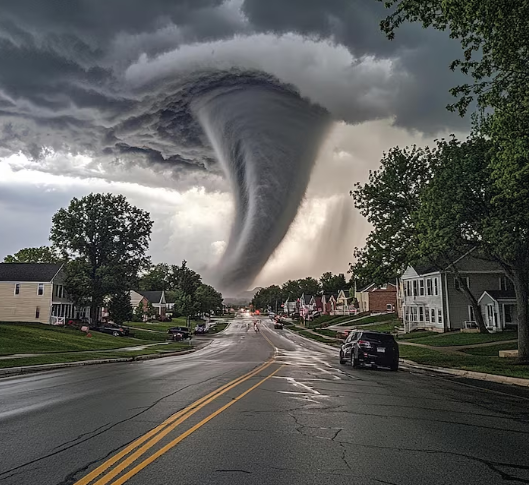
No two storm-chasing days are ever the same. Weather changes constantly, forecasts evolve throughout the day, and even small shifts in atmospheric conditions can influence where storms eventually develop. That’s why Tornado Storm Chasing is built around preparation, flexibility, and continuous observation rather than following a fixed schedule.
For travelers joining Storm Chasing Tours USA, understanding how a typical chase day unfolds helps set realistic expectations. While every expedition is different, most professional tours follow a structured routine that balances weather analysis, travel, learning, and safe storm observation.
The Day Begins Before the Storms
A chase day usually starts early. Before anyone gets on the road, guides examine the latest weather information to understand how conditions have changed overnight. Forecast discussions, radar imagery, satellite data, and surface observations are carefully reviewed before choosing a target area.
Rather than rushing toward the first storm, professionals spend time studying the atmosphere to identify where the greatest potential for severe weather exists. This careful planning forms the foundation of successful Tornado Storm Chasing.
Morning Briefings Set the Plan
Once the forecast has been reviewed, the team gathers for a briefing. During this session, guides explain the weather setup in simple language, discuss possible travel routes, and answer questions from participants. Guests learn why certain regions are being considered and how different weather factors may influence the day’s decisions.
These briefings make Storm Chasing Tours USA more interactive because participants gain insight into the reasoning behind every travel plan instead of simply following the vehicle.
Hitting the Road
After selecting the target area, the journey begins. Depending on the forecast, the group may travel only a short distance or spend several hours driving across the Plains. During the journey, guides continue monitoring weather updates while pointing out changes in cloud development and atmospheric conditions.
Long drives are a normal part of storm chasing, but they also give travelers an opportunity to experience the vast landscapes of the central United States and understand how geography influences severe weather.
Watching the Sky Change
As the afternoon approaches, the atmosphere often becomes more active. Small clouds may begin growing taller, temperatures rise, and humidity levels increase. These changes provide clues about whether thunderstorms are likely to develop later in the day.
During Tornado Storm Chasing, guides encourage participants to observe these subtle changes because they help explain how powerful storms gradually form rather than appearing suddenly.
Adjusting the Route
One of the most important aspects of storm chasing is adapting to new information. Forecasts continue to change throughout the day, and storms sometimes develop in unexpected locations. When this happens, guides may decide to change direction or travel toward another target area.
This flexibility is one reason professionally guided Storm Chasing Tours USA differ from traditional road trips. Instead of following a fixed itinerary, the route changes according to the weather.
Observing the Storm
When storms begin developing, the pace of the day changes. Guides select observation points that provide good visibility while allowing participants to safely appreciate the storm’s structure. Depending on atmospheric conditions, guests may witness towering supercells, rotating cloud formations, dramatic lightning, or intense rainfall. Throughout the observation period, guides explain what they are seeing and how the storm is evolving, turning every stop into a practical lesson in meteorology.
Learning Never Stops
A storm chase is much more than watching clouds. During breaks in the journey, participants often discuss forecast updates, compare weather observations, and ask questions about storm behavior. These conversations help connect scientific concepts with real-world conditions, making the experience educational as well as exciting. For many guests, this ongoing interaction becomes one of the most valuable parts of the trip.
The Journey Back
As evening approaches, storm activity often begins to decrease. The team heads toward the overnight destination while reviewing the day’s events. Guides frequently discuss what worked well, how forecasts compared with actual weather, and what conditions may look like for the following day. This reflection helps participants understand that every chase, regardless of the outcome, contributes to a better understanding of severe weather.
Every Chase Ends With a New Story
No two chase days produce identical experiences. One day may include dramatic supercells stretching across the horizon, while another may feature incredible lightning or colorful sunsets following heavy rain. Even when tornadoes don’t occur, every chase offers new lessons, memorable photographs, and a greater appreciation for the atmosphere. That variety is one of the reasons so many travelers choose to return for another storm-chasing adventure.
Final Thoughts
A day of Tornado Storm Chasing is built on careful planning, continuous learning, and the willingness to adapt as weather conditions evolve. From the first morning forecast to the final evening discussion, every stage of the journey helps participants understand how severe weather develops across the Great Plains.
For travelers joining Storm Chasing Tours USA, the experience is about much more than chasing storms. It’s an opportunity to witness the atmosphere in action, learn from experienced professionals, and discover why no two chase days are ever the same.